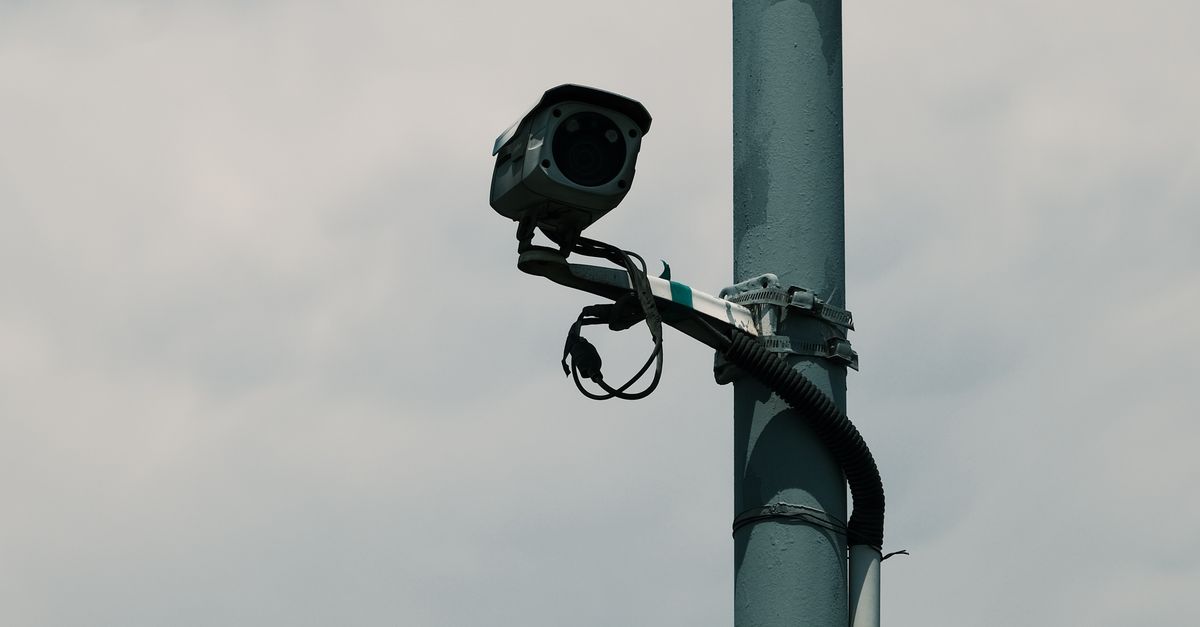
Common Misconceptions About PTZ Camera Capabilities
Table Of Contents
Misconception 5
Many people believe that having a PTZ (pan-tilt-zoom) camera eliminates the need for multiple cameras in a surveillance system. While PTZ cameras offer impressive flexibility in monitoring large areas from different angles, they do have limitations. The capability to zoom in on specific details and pan across wide spaces can create a false impression that one PTZ camera can efficiently oversee an entire environment. In reality, there are circumstances where fixed cameras are more suitable. These cameras can continuously record specific areas, ensuring constant monitoring without the risk of missing crucial events during the PTZ's movement or focus shifts.
Fixed cameras play an essential role when specific surveillance zones require uninterrupted coverage. Locations such as entrances and cash registers benefit from the constant vigilance of fixed cameras. They offer reliability and can be strategically deployed to complement the coverage provided by PTZ cameras. A well-rounded security system often blends both types, maximising the strengths of each to create a comprehensive monitoring solution. Understanding this balance ensures a more effective surveillance strategy that meets various operational requirements.
When Fixed Cameras Still Play an Essential Role
Fixed cameras serve an important purpose in various surveillance scenarios, particularly for monitoring specific areas with consistent coverage. They offer advantages such as high-resolution images and reliable performance, making them ideal for locations where constant viewing is necessary. These cameras excel in settings like retail stores, parking lots, and building entrances where the need for a focused viewpoint outweighs the flexibility that PTZ cameras provide.
Another key benefit of fixed cameras is their ability to operate effectively in terms of installation and maintenance. They require less frequent adjustment compared to PTZ models, which may need realignment or repositioning. Furthermore, the straightforward installation of fixed cameras often translates to cost savings, especially in larger installations where uniform coverage through fixed angles is required. This reliability makes them a staple in comprehensive security systems, complementing the dynamic capabilities of PTZ cameras.
Misconception 6
PTZ cameras are often assumed to function effectively in all weather conditions, but this is a misleading belief. While many models are designed to withstand various environmental factors, extremes such as heavy rain, snow, high winds, or intense heat can hinder their performance. The clarity of the image can be significantly reduced in adverse conditions, highlighting the need for careful consideration of the environment where the cameras will be deployed.
Another factor to consider is the protective measures in place for outdoor cameras. Features such as housing enclosures, heaters, and defrosters can enhance a PTZ camera's ability to navigate challenging weather. However, not all models come equipped with these enhancements. Ensuring the right specifications for temperature and moisture resistance is essential for maintaining their functionality, ultimately affecting the reliability of surveillance in fluctuating climates.
Impact of Environmental Factors on Camera Performance
Weather conditions can significantly affect the performance of PTZ cameras. Heavy rain, snow, or fog can obscure visibility, which compromises image clarity. Wind can also create problems, particularly if it shakes the camera or affects its ability to pan and tilt smoothly. These environmental factors mean that while PTZ cameras offer flexibility and range, their effectiveness is heavily reliant on the conditions in which they operate.
Temperature extremes present another challenge for PTZ cameras. In cold climates, the equipment might struggle to maintain functionality, leading to failure in extreme cold or damage to components. Conversely, high temperatures can result in overheating, causing malfunctioning or reduced operational lifespan. Considering these variables is crucial when selecting the right camera system for specific locations and environments.
Misconception 7
Many people believe that PTZ cameras are overly complicated and challenging to operate due to their advanced features. This notion often arises from the perception that sophisticated technology inherently comes with a steep learning curve. In reality, most contemporary PTZ cameras are designed with user-friendly interfaces that cater to various levels of technical expertise. Manufacturers have prioritised ease of use, incorporating intuitive controls and simplified software that make navigation seamless, even for novice users.
Moreover, numerous control options are available, including mobile apps and web interfaces, allowing users to manage the camera from various devices. With versatile control methods, such as joystick interfaces, remote controls, or even automated presets, users can easily adjust settings, pan, tilt, and zoom as needed. This accessibility means that even those with minimal technical skills can effectively harness the full potential of PTZ cameras, proving that the perceived complexity is largely unfounded.
User-Friendly Interface and Control Options
Modern PTZ cameras often come equipped with intuitive interfaces that simplify operation for users of all experience levels. Many models feature touchscreen controls or easy-to-navigate mobile applications, allowing for straightforward access to all camera functions. Whether through preset positions or manual control, users can adjust the camera's angle and zoom with minimal hassle. This user-centric design enhances the overall experience, making PTZ cameras accessible even for those with limited technical skills.
Control options for PTZ cameras have also evolved to include remote operation capabilities. Users can manage the camera's movements from anywhere via a computer or smartphone, which proves invaluable in scenarios requiring real-time monitoring. In addition, many systems integrate seamlessly with existing security networks, enabling quick adjustments without the need for extensive setup. Such flexibility makes these cameras a practical choice for a variety of surveillance needs.
FAQS
What are PTZ cameras commonly used for?
PTZ cameras are commonly used for surveillance and monitoring in various settings, such as businesses, public spaces, and events, thanks to their ability to pan, tilt, and zoom to capture detailed images over wide areas.
Why might I need multiple cameras even if I have a PTZ camera?
While PTZ cameras offer flexibility in monitoring, they can only focus on one area at a time. Fixed cameras can complement PTZ systems by providing continuous coverage of critical areas, ensuring that no important events go unnoticed.
Are PTZ cameras reliable in extreme weather conditions?
PTZ cameras can be affected by harsh weather conditions such as heavy rain, snow, or extreme temperatures. It's essential to choose weather-resistant models and consider environmental factors when installing these cameras.
Do PTZ cameras require extensive training to operate?
No, modern PTZ cameras come with user-friendly interfaces and control options that make them accessible to users of all skill levels. Most systems are designed to be intuitive, allowing quick operation without extensive training.
Can I control a PTZ camera remotely?
Yes, many PTZ cameras come with remote control capabilities, allowing users to pan, tilt, and zoom from a distance, often via a smartphone app or web interface, making monitoring more convenient.
Related Links
Evaluating the Cost-Effectiveness of PTZ CamerasUnderstanding the Functions of PTZ Cameras in Surveillance Systems
Integrating PTZ Cameras with Other CCTV Technologies
The Role of PTZ Cameras in Crime Prevention Strategies
Remote Control Features of Modern PTZ Cameras
Installation Tips for Effective PTZ Camera Placement
Comparing Fixed and PTZ Cameras for Optimal Surveillance
How PTZ Cameras Enhance Security at Events on the Gold Coast