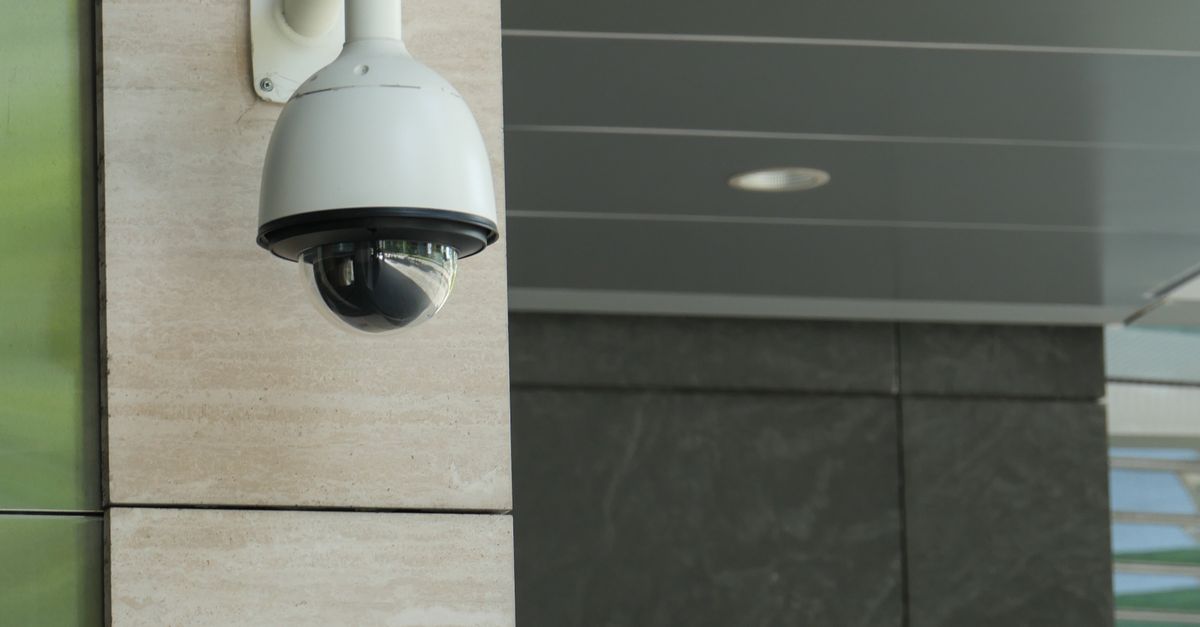
Understanding the Functions of PTZ Cameras in Surveillance Systems
Table Of Contents
Factors to Consider When Selecting PTZ Cameras
When selecting PTZ cameras, several key factors come into play to ensure that the system meets specific surveillance needs. Understanding the environment where the cameras will be installed is crucial, as this affects decisions on features like weather resistance and low-light capabilities. The intended coverage area also influences the selection, requiring careful consideration of zoom capabilities and pan-tilt range to ensure comprehensive monitoring.
Another vital factor is the integration of the camera with existing security systems. Compatibility with different types of software and hardware can make a significant difference in the overall functionality of the surveillance system. Furthermore, evaluating the manufacturer's reputation and the availability of technical support can provide peace of mind, ensuring that the chosen equipment can be maintained effectively over time.
Important Specifications and Features
When selecting a PTZ camera, certain specifications can greatly influence its effectiveness in surveillance applications. The resolution of the camera is a critical factor, as higher resolutions result in clearer images, which can be vital for identifying details. Frame rate also plays a significant role; cameras with higher frame rates allow for smoother video playback, capturing fast-moving subjects without blurring. Additionally, the zoom capability, measured in optical zoom rather than digital zoom, determines how far the camera can effectively see and focus on subjects. A robust low-light performance is essential for maintaining image quality in varying lighting conditions.
Other important features include pan and tilt range, which affects the coverage area of the camera. A wide pan range allows the camera to sweep left and right over a greater distance, while tilt capability helps in capturing higher or lower angles. Built-in analytics can enhance the functionality of PTZ cameras by offering features such as motion detection and automatic tracking, allowing for proactive monitoring. Connectivity options like Wi-Fi, Ethernet, or PoE (Power over Ethernet) help integrate the camera into existing networks and simplify installations. These specifications collectively contribute to the overall utility and efficiency of PTZ cameras in comprehensive surveillance systems.
Maintenance and Care for PTZ Cameras
Regular maintenance is crucial for ensuring the longevity and optimal performance of PTZ cameras. Routine checks should include examining the camera housing for any signs of wear or damage. Cleaning the lens is essential to maintain clear image quality. Dust, dirt, and moisture can significantly impair the camera’s ability to capture sharp images. Additionally, software updates should be applied as needed to enhance functionality and security, keeping the system up to date with the latest features and protections.
Proper installation also plays a key role in the maintenance of PTZ cameras. Ensuring that the camera is securely mounted can prevent physical damage from environmental factors. It's advisable to position the cameras in locations that minimise exposure to extreme weather conditions. Implementing housing solutions that can withstand outdoor environments adds an extra layer of protection. Regularly inspecting the power supply and connectivity will help to avoid any disruptions in surveillance capabilities.
Best Practices for Longevity
For optimal performance and longevity of PTZ cameras, regular maintenance is crucial. This includes keeping the lenses clean to ensure clear imagery. Dust and debris can accumulate over time, leading to clouded vision and obstructed views. Scheduled checks on mechanical parts, such as the pan-tilt mechanism, can prevent wear and tear. Ensuring proper firmware updates will also keep the camera functioning smoothly with the latest enhancements.
Environmental factors significantly affect the lifespan of a PTZ camera. Installing the camera in a sheltered location can protect it from extreme weather conditions. Utilizing enclosures for outdoor setups provides an additional layer of defence against dust, moisture, and temperature fluctuations. Regularly inspecting seals and housing for any signs of deterioration can help avoid potential damages. These simple steps contribute greatly to the longevity and reliability of the surveillance system.
Comparing PTZ Cameras to Fixed Cameras
PTZ cameras offer a level of flexibility that fixed cameras simply cannot match. With their ability to pan, tilt, and zoom, these cameras excel in monitoring large areas and tracking moving subjects. This mobility allows operators to adjust the field of view, which becomes particularly useful in environments where incidents may occur sporadically across a broad area. Additionally, the remote control features enable real-time adjustments, making PTZ cameras ideal for dynamic settings such as traffic monitoring and large gatherings.
On the other hand, fixed cameras provide a more straightforward solution for surveillance needs. Their simplicity and reliability make them a popular choice for covering specific areas consistently. These cameras are typically easier to install and maintain, requiring less technical knowledge for operation. While they lack the versatility of PTZ options, fixed cameras are often more cost-effective and can deliver high-quality images in their designated zones, making them suitable for many security applications.
Pros and Cons of Each Type
PTZ cameras offer flexibility in surveillance applications due to their ability to pan, tilt, and zoom. This versatility allows operators to cover large areas and track moving subjects effectively. Their sophisticated features often include preset positions for quick access to critical viewpoints. However, the complexity of their operation can pose challenges, especially for users who may not be accustomed to managing dynamic camera movements. Maintenance can also be demanding, as these cameras contain more mechanical components that may require regular servicing.
In contrast, fixed cameras generally provide a stable solution for monitoring specific areas with a consistent view. They are simpler to install and require less ongoing maintenance, making them appealing for straightforward surveillance needs. These cameras can often be more cost-effective than their PTZ counterparts. On the downside, their lack of movement means they miss the dynamic flexibility that PTZ cameras provide. This limitation can be critical in environments where tracking fast-moving subjects is essential.
FAQS
What does PTZ stand for in surveillance systems?
PTZ stands for Pan-Tilt-Zoom, referring to the camera's ability to pan (move side to side), tilt (move up and down), and zoom in and out for improved surveillance.
How do I choose the right PTZ camera for my needs?
When selecting a PTZ camera, consider factors such as resolution, field of view, low-light performance, zoom capability, and compatibility with existing surveillance systems.
What maintenance is required for PTZ cameras?
Regular maintenance for PTZ cameras includes cleaning the lens, checking for firmware updates, and inspecting the camera housing for any signs of wear or damage.
What are the advantages of using PTZ cameras over fixed cameras?
PTZ cameras offer greater flexibility, allowing users to cover a larger area and focus on specific incidents, while fixed cameras provide continuous surveillance of a set location.
Can PTZ cameras be integrated with other security systems?
Yes, PTZ cameras can be integrated with various security systems, including alarm systems and video management software, enhancing the overall effectiveness of surveillance operations.
Related Links
Benefits of PTZ Cameras for Large Area MonitoringCommon Misconceptions About PTZ Camera Capabilities
Evaluating the Cost-Effectiveness of PTZ Cameras
Integrating PTZ Cameras with Other CCTV Technologies
The Role of PTZ Cameras in Crime Prevention Strategies
Remote Control Features of Modern PTZ Cameras
Installation Tips for Effective PTZ Camera Placement
Comparing Fixed and PTZ Cameras for Optimal Surveillance