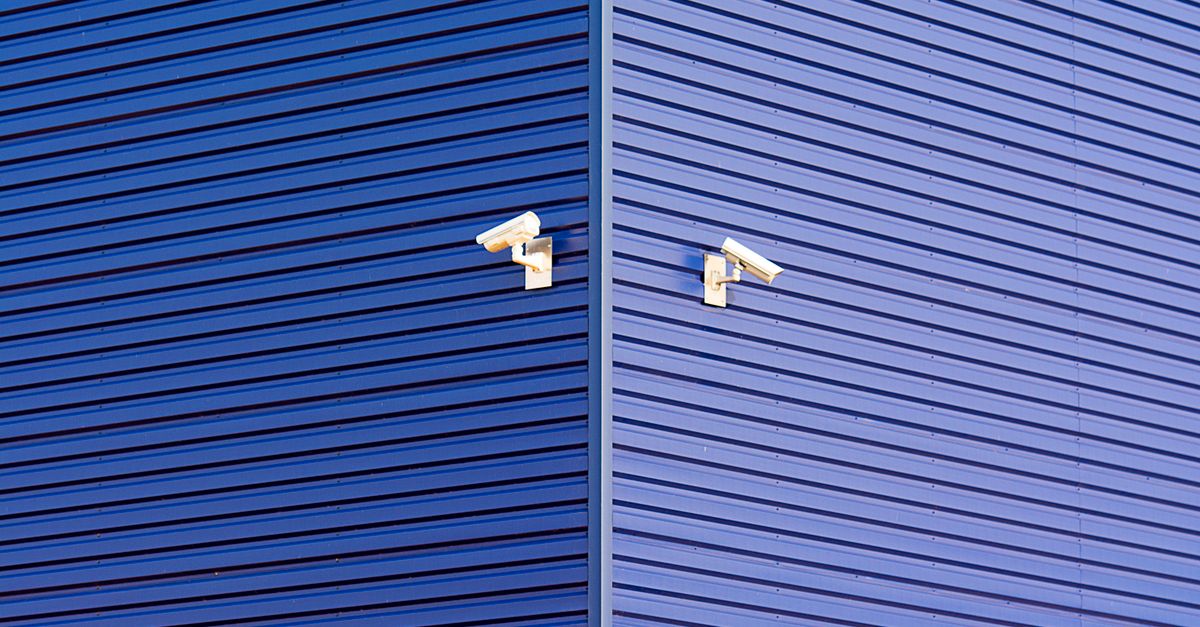
Identifying the Best Locations for CCTV Cameras Around Your Property
Table Of Contents
Addressing Blind Spots
Identifying and addressing blind spots is crucial for effective surveillance around your property. Start by conducting a thorough assessment of the area. Walk your property to visually inspect potential gaps in coverage. Pay special attention to obstructions such as trees, fencing, or structures that may block the camera's field of view. This step will help identify areas where criminal activity or accidents might go unnoticed, allowing for more strategic camera placement.
Once blind spots have been identified, adjusting the positioning of existing cameras is essential. Consider using a combination of fixed and pan-tilt-zoom cameras to achieve comprehensive coverage. Additionally, employing a network of cameras placed at varying heights can help mitigate blind spots by enhancing overall visibility. A well-planned arrangement will not only deter potential intruders but also ensure that all critical areas, from entry points to secluded regions, receive constant monitoring.
Techniques to Minimise Unmonitored Areas
Effective planning is crucial in ensuring comprehensive coverage throughout the property. Conducting a thorough assessment of the premises can help identify potential blind spots where criminal activity might go unnoticed. Strategically placing cameras near corners, entry points, and high-traffic areas can capture movement effectively. Each camera should be positioned to maximise its field of vision while also considering potential obstructions such as foliage or structural features.
Regularly reviewing the surveillance footage can provide insights into areas that may require additional monitoring. After observing patterns in activity, adjustments to camera angles or the addition of extra units may be necessary to enhance overall security. Users should also be mindful of privacy concerns, ensuring their placements remain compliant with local regulations while still addressing possible vulnerabilities.
Considering Environmental Factors
The placement of CCTV cameras should take into account the surrounding environment, as various factors can significantly affect their performance. When selecting locations, it's essential to consider natural elements such as trees, buildings, and other structures that may obstruct the camera's view. Proper positioning ensures optimal coverage and minimises blind spots created by these obstacles. Additionally, assessing how changing seasons affect visibility is crucial. For instance, foliage in summer may obscure views, whereas fallen leaves in autumn could create additional cleaning requirements.
Weather conditions also play a vital role in determining where to install surveillance equipment. Cameras exposed to harsh elements, such as heavy rain or direct sunlight, need appropriate housing or protection to maintain functionality. Selecting weather-resistant models and placing them in sheltered spots can enhance their longevity and reliability. Moreover, consider the lighting in various locations. Poor lighting can hinder performance, so integrating infrared or low-light capabilities can ensure adequate surveillance at all times. Thoughtful attention to environmental factors leads to more effective surveillance throughout the year.
Impact of Weather on Camera Placement
Weather can significantly influence the performance and longevity of CCTV cameras. Rain, snow, and extreme temperatures may affect camera functionality, leading to malfunctions or decreased image quality. It's essential to choose cameras that are weather-resistant or have appropriate enclosures. Urban environments can present unique challenges such as pollution or environmental wear and tear, necessitating regular maintenance to ensure optimal performance.
Placement also requires consideration of potential weather-related obstructions. Trees and buildings may provide shelter for cameras but can obstruct views and limit coverage in adverse weather conditions. Monitoring camera positions in relation to sun exposure throughout the day is crucial, as excessive sunlight can cause glare or overheating. Strategically positioning cameras for all seasons ensures consistent surveillance and reliability.
Integrating Technology for Enhanced Surveillance
Modern surveillance systems have seen significant advancements in technology, enhancing the effectiveness of traditional CCTV setups. Smart cameras, equipped with features such as motion detection, facial recognition, and cloud storage, can elevate security measures. These devices can send real-time alerts to property owners while automatically recording incidents for future reference. The integration of artificial intelligence further enables these systems to differentiate between typical activity and suspicious behaviour, reducing the number of false alarms.
Utilising remote access capabilities allows homeowners to monitor their properties from virtually anywhere via smartphones or computers. This flexibility offers peace of mind, particularly when travelling or working away. Advanced analytics enable the generation of reports summarising activity patterns, assisting in identifying trends and potential issues. Overall, leveraging cutting-edge technology can transform standard surveillance into a comprehensive security solution tailored to individual needs.
Utilising Smart Cameras for Added Functionality
Modern surveillance technology has significantly evolved, allowing property owners to enhance their security setups with smart cameras. These devices not only capture high-quality video footage but also incorporate features such as motion detection, night vision, and two-way audio. Smart cameras connect to home Wi-Fi networks, providing real-time alerts and remote monitoring capabilities through mobile applications. This functionality enables users to access live feeds or recorded footage from anywhere, ensuring that property owners can keep an eye on their premises even when they are not physically present.
Integration of artificial intelligence (AI) further boosts the capabilities of smart cameras. Some models can differentiate between people, vehicles, and pets, reducing the number of false alarms triggered by non-threatening movements. Advanced facial recognition technology allows for the identification of familiar faces, granting or denying access based on individual profiles. These features not only enhance safety but also streamline the overall security management of a property, making it easier to react promptly to unusual activities and maintain a secure environment.
FAQS
Why is it important to address blind spots when placing CCTV cameras?
Addressing blind spots is crucial because these areas can become vulnerabilities where intruders can operate undetected. Proper camera placement ensures comprehensive coverage and enhances overall security.
What techniques can I use to minimise unmonitored areas on my property?
Techniques to minimise unmonitored areas include conducting a thorough security assessment, strategically positioning cameras at key access points, and utilising overlapping fields of view from multiple cameras to ensure no area is left unobserved.
How do environmental factors affect the placement of CCTV cameras?
Environmental factors such as lighting conditions, weather patterns, and natural obstructions can significantly impact the effectiveness of CCTV cameras. Understanding these factors allows for optimal placement to ensure clear visibility and functionality.
What impact does weather have on the placement of CCTV cameras?
Weather can affect the performance of CCTV cameras. For instance, cameras should be positioned to avoid glare from sunlight, rainwater accumulation, or snow. Using weather-resistant models and considering shelter from extreme conditions can enhance their longevity and effectiveness.
How can smart cameras enhance my surveillance system?
Smart cameras offer advanced functionalities such as motion detection, remote access, and integration with other security devices. These features allow for real-time monitoring, alerts for suspicious activity, and greater control over your property's security.
Related Links
Post-Installation Tips for Maintaining Your Home CCTV SetupChoosing the Right CCTV System for Your Gold Coast Home
Customising Your Home Surveillance System for Maximum Security
Reviewing the Best CCTV Options for Gold Coast Homes
Understanding the Costs Involved in Residential CCTV Installation
Benefits of Professional CCTV Installation for Gold Coast Residents
Common Mistakes to Avoid When Installing Home CCTV Systems
How to Ensure Optimal CCTV Camera Placement in Your Residence