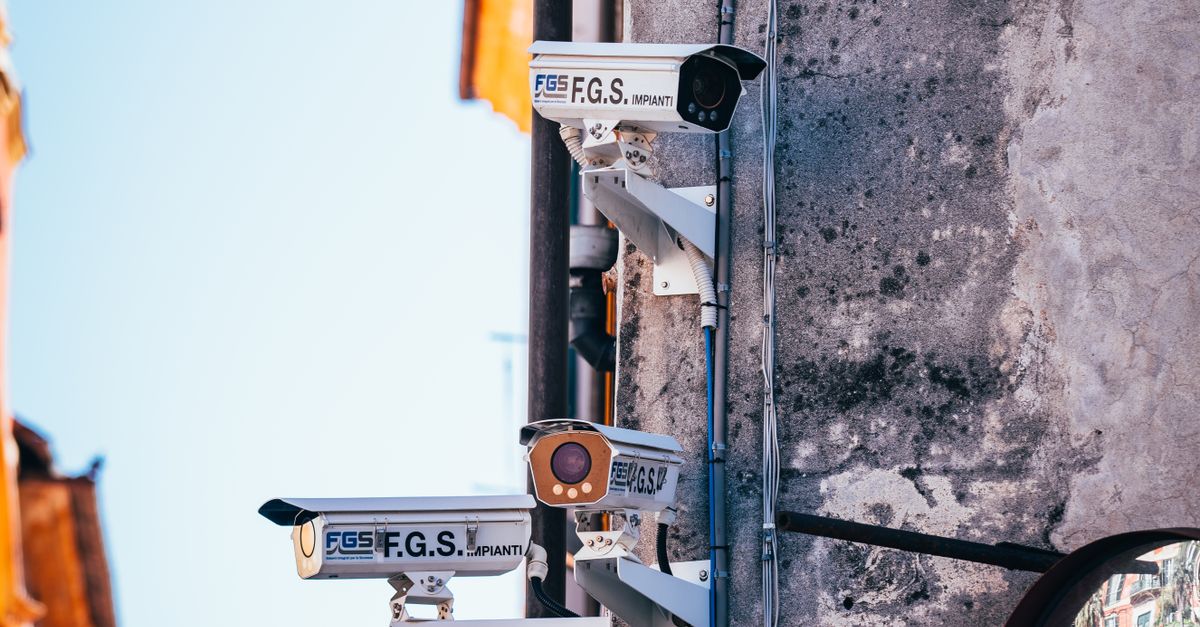
How to Ensure Optimal CCTV Camera Placement in Your Residence
Table Of Contents
Optimising Camera Angles for Maximum Coverage
Finding the right angle for your CCTV cameras is crucial for achieving comprehensive surveillance. Start by considering the areas you wish to monitor closely. High-traffic zones, entry points, and larger open spaces should take precedence. Positioning cameras at elevated heights can help capture a broader field of view, whilst also reducing the risk of tampering. Ensure that cameras are mounted securely to withstand varying weather conditions, especially in exposed outdoor areas.
Field of view plays a vital role in determining coverage. Each camera lens has a specific angle of view, which affects how much space it can cover. Using wide-angle lenses can maximise coverage in a single camera placement, but this sometimes comes at the cost of image detail. Conversely, narrower lenses may provide clearer images of smaller areas; however, they might require more cameras to ensure full coverage. Always test camera placements to check for any blind spots, making adjustments as necessary to ensure optimal surveillance.
Techniques for Effective Angling
Using a systematic approach to determine camera angles can greatly enhance surveillance effectiveness. Start by identifying key areas that require monitoring, such as entry points or high-value zones. Employ a combination of vertical and horizontal adjustments to capture the most comprehensive view. Testing different angles during the installation phase allows for the assessment of potential blind spots. It may also be beneficial to use a test video to ensure that the desired fields of vision are adequately covered.
Positioning cameras at a height that deters tampering while still providing a clear view of the area is essential. Angling the camera slightly downward can help capture facial features, which is critical for identification purposes. Avoid placing cameras in direct line with bright light sources, as this can create glare and distort the image. Regularly reviewing footage can provide insights into the effectiveness of the angles chosen and help in making necessary adjustments over time.
Considering Lighting Conditions
Proper placement of CCTV cameras requires careful consideration of lighting conditions surrounding the intended areas of surveillance. Daylight, shadows, and artificial light sources can all significantly impact the quality of video footage captured. Ideally, cameras should be positioned in a manner that maximises exposure to natural light during the day while avoiding direct sunlight, which may cause glare and wash out images. At night, additional lighting solutions should be assessed to ensure that dark areas do not become blind spots.
The performance of CCTV cameras is influenced significantly by the availability and quality of light. Cameras equipped with infrared capabilities can perform better in low-light conditions, but reliance solely on this feature may not always be advisable. Evaluating typical illumination patterns in various seasons helps in determining strategic camera placement to minimise issues such as colour distortion and poor picture clarity. Understanding lighting conditions will enable homeowners to capture clear footage and enhance overall security monitoring.
How Lighting Affects Camera Performance
Lighting plays a crucial role in the effectiveness of CCTV cameras. Insufficient light can lead to grainy images and limits the camera's ability to capture details clearly. Areas that are too dark may result in missed incidents entirely, as the camera fails to pick up movement in shadows. Conversely, overly bright conditions can cause glare and wash out important visuals, making it difficult to discern the details necessary for effective surveillance.
Different times of day and seasonal changes can also impact lighting conditions. During the day, natural light provides better visibility, but in the evening, reliance on artificial lighting becomes essential. Techniques such as installing cameras near light sources or using cameras equipped with infrared capabilities can help adapt to these varying conditions. Assessing how light interacts with the space being monitored ensures that the cameras function optimally, capturing clear and useful footage regardless of the time.
Ensuring Privacy Compliance
With the rise in the use of CCTV cameras in residential settings, understanding privacy regulations is essential for homeowners. Many areas have strict laws governing surveillance and data collection. Recording in spaces that are not your property, such as public areas or neighbours' yards, may lead to legal troubles. Familiarising yourself with local regulations ensures that you adhere to privacy requirements while monitoring your premises.
Additionally, it is vital to inform any visitors or neighbours about the presence of surveillance cameras. This transparency can mitigate privacy concerns and prevent misunderstandings. You could consider installing visible signage that indicates video surveillance is in use, which shows respect for others' privacy while ensuring your property remains protected. Deciding on the appropriate placement of cameras in relation to boundaries can further enhance compliance with privacy laws.
Navigating Legal Considerations
Installing CCTV cameras requires careful consideration of privacy and legal implications. Australian legislation often varies by state, so it's essential to familiarize yourself with local laws concerning surveillance. Generally, recording in public spaces is permissible. However, capturing audio can invoke stricter regulations. Situations involving private property demand even more caution, especially when monitoring areas where individuals expect a reasonable level of privacy.
Notifying individuals about the presence of surveillance cameras can be a good practice. Signage displaying your intent to record can be beneficial, as it promotes transparency and could potentially mitigate privacy concerns. Additionally, reviewing the collection and storage methods of recorded footage is crucial. Ensuring that data is sufficiently protected helps maintain compliance and demonstrates a responsible approach to surveillance management.
FAQS
What is the best angle for placing CCTV cameras to maximise coverage?
The best angle for CCTV cameras typically involves positioning them at a height of 2.5 to 3 meters, tilted downwards at an angle of 20 to 30 degrees. This allows for a wide field of view and helps capture details clearly.
How can I improve the performance of my CCTV cameras in low-light conditions?
To improve CCTV camera performance in low-light conditions, consider using cameras with infrared capabilities, ensuring adequate external lighting, and positioning the cameras to avoid direct glare from light sources.
What are the legal considerations I should be aware of when installing CCTV cameras at home?
When installing CCTV cameras at home, you should be mindful of privacy laws that require you to inform individuals about surveillance, avoid recording areas where people have a reasonable expectation of privacy, and ensure that cameras do not capture footage from public areas without consent.
Should I install CCTV cameras indoors, outdoors, or both?
Installing CCTV cameras both indoors and outdoors is recommended for comprehensive security. Outdoor cameras help monitor the perimeter of your property, while indoor cameras can help you keep an eye on the interior and specific areas of concern.
How many CCTV cameras do I need for my residence?
The number of CCTV cameras needed for your residence depends on the size of the property, the areas you wish to monitor, and any specific security concerns. A small home may require 2 to 4 cameras, while larger properties might need more for complete coverage.
Related Links
Common Mistakes to Avoid When Installing Home CCTV SystemsStep-by-Step Guide to Installing Residential CCTV Systems
Identifying the Best Locations for CCTV Cameras Around Your Property
Post-Installation Tips for Maintaining Your Home CCTV Setup
Customising Your Home Surveillance System for Maximum Security
Reviewing the Best CCTV Options for Gold Coast Homes
Understanding the Costs Involved in Residential CCTV Installation
Benefits of Professional CCTV Installation for Gold Coast Residents
Choosing the Right CCTV System for Your Gold Coast Home